Have you ever heard someone say "you are what you eat"? It might sound cliche, but it's true! The food we consume can drastically affect our overall health and wellbeing. With so many fad diets and nutrition trends out there, it can be challenging to know what a balanced and healthy diet truly looks like. That's why in this article, we'll be discussing the ultimate guide to a well-balanced diet.

A Balanced Diet

A Balanced Diet

First and foremost, let's define what a well-balanced diet is. A balanced diet contains a variety of food groups and nutrients in the right proportions to provide an individual with the necessary energy and nutrition to maintain good health. A healthy and balanced diet should contain:

  • Whole grains
  • Fruits
  • Vegetables
  • Protein
  • Dairy or dairy alternatives

It's important to include a variety of foods within each food group to ensure you are getting all the essential nutrients your body needs.

National Nutrition Week
National Nutrition Week

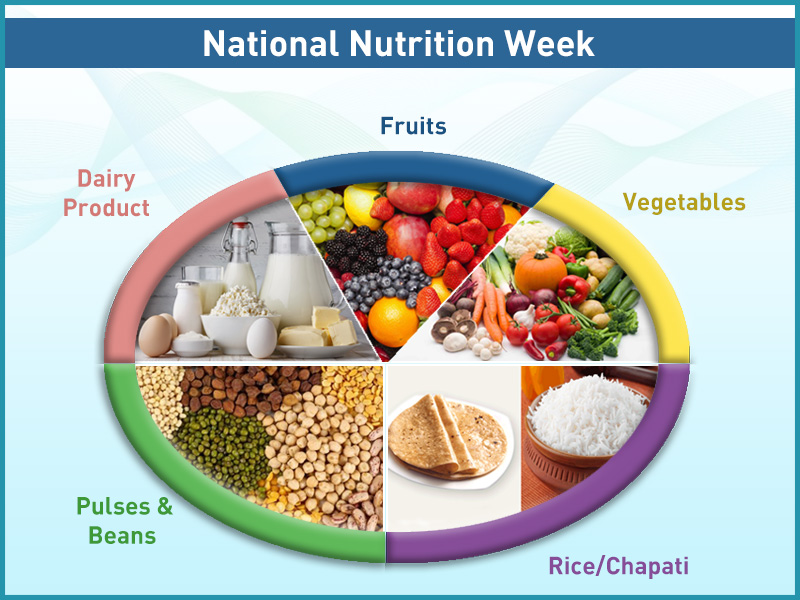
In India, National Nutrition Week is celebrated from September 1st to 7th every year. The objective of this celebration is to raise awareness among people regarding the importance of nutrition for the overall health and wellbeing of an individual. This week also provides an opportunity to educate people about the significance of consuming a well-balanced diet.

Clean Eating Meal Plan

Clean Eating Meal Plan

Clean eating is a term that has gained significant popularity in recent years. It generally refers to consuming whole foods and avoiding processed or refined foods and sugar. Clean eating meal plans focus on nutrient-dense foods like fruits, vegetables, whole grains, lean protein, and healthy fats.

Adopting a clean eating meal plan can provide numerous health benefits, including:

  • Reducing the risk of chronic diseases like cancer and heart disease
  • Improved mental clarity and focus
  • Better digestion and gut health
  • Weight management
  • Improved skin, hair, and nail health

Well-Balanced Diet Meal Plan

Well-Balanced Diet Meal Plan

Creating a well-balanced diet meal plan can seem overwhelming, especially if you're not sure where to start. A simple way to create a balanced meal is to use the plate method. Fill half of your plate with non-starchy vegetables like broccoli, spinach, or carrots. Next, add a quarter of the plate with lean protein like chicken, fish, or tofu. Finally, fill the remaining quarter with whole grains like brown rice, quinoa, or whole wheat bread. Don't forget to include a serving of fruit and a source of dairy or dairy alternative like milk or yogurt.

Overall, a well-balanced diet is the foundation of good health. Consuming a variety of nutrient-dense foods can improve your mood, energy levels, and overall quality of life. Incorporating healthy eating habits into your daily life can seem challenging at first, but with time and dedication, it can become a sustainable and enjoyable lifestyle.



Choosing the Perfect Neighborhood for Your New Home As a potential homeowner, one of the most important factors to consider when purchasing a new property is the neighborhood in which it is located. Finding the perfect neighborhood isn't just about picking the one with the best schools, the lowest crime rates, or the most desirable amenities. It requires a deeper understanding of the local culture, the community's values, and your own personal priorities. In this article, we provide some unique perspectives and tips that will help you pick the right neighborhood for your family. Defining The Perfect Neighborhood The term "perfect neighborhood" means different things to different people, depending on their priorities. Nonetheless, there are some key characteristics that distinguish the best neighborhoods from the rest. Some of these include: 1. Safety and Security No one wants to live in an area where their safety and security is at risk. A safe neighborhood provides a sense of comfort, peace of mind, and less stress for homeowners. Before you move into any community, it is important to do your homework and learn about the local crime rates, the quality of emergency services, and the overall safety and security of the area. 2. Proximity to Amenities A great neighborhood offers easy access to a range of amenities, such as parks, schools, hospitals, libraries, shopping malls, gas stations, and grocery stores. Finding a neighborhood that is well-served by public transportation can also make life easier for busy homeowners. 3. Affordable Living Costs The cost of living in a neighborhood is a key consideration for many homeowners. Before you move into a community, it is important to research the current real estate market trends, the price points for homes in the area, as well as the cost of essential services such as utilities, taxes, and insurance. 4. A Sense of Community Finding the perfect neighborhood isn't just about having access to services, amenities, and affordable living costs. It's also about having a strong sense of community, where neighbors share common values, respect each other, and work together for the greater good. A neighborhood with a strong community culture can provide social opportunities, support, and a sense of belonging. Choosing the Right Neighborhood: Tips and Strategies Once you have identified your priorities for a perfect neighborhood, the next step is to research and compare different communities that meet your criteria. Here are some tips and strategies that can help you make the right choice: 1. Do your research Before you make any decisions, it is essential to research the quality of life, real estate market trends, and local culture in the communities you are considering. You can start by visiting websites of real estate agents, community centers, and local government offices to find out more about the area. 2. Visit the community in person While online research can provide a wealth of information about a neighborhood, nothing beats visiting it in person. Take time to explore the community, drive around, and get a feel for the local culture. Attend community events and try to engage with locals to get a more accurate perspective on what it's like to live there. 3. Network with other homeowners Networking with other homeowners can provide valuable insights into what life is like in the community. You can reach out to them through online forums, social media groups, or by attending local events. Ask them about their experience living in the neighborhood and whether they would recommend it to others. 4. Check out the local schools If you have children, the quality of schools in the neighborhood should be a top priority for you. Research the schools in the area and read reviews from other parents. You can also contact the school districts to find out more about the quality of teachers, facilities, and educational programs. 5. Learn about the local crime rates A safe neighborhood is essential for any family looking to move, so it's important to research local crime rates. You can find this information on websites like Neighborhood Scout, which provides comprehensive data on crime trends in your prospective neighborhood. 6. Take a closer look at the local economy If you're moving for work or running a business, it's important to research the local economy. Find out about the top industries in the area, the employment rates, and job opportunities. This information can help you determine whether the neighborhood can support your career goals. 7. Check out the traffic and transportation Before deciding on a neighborhood, it is essential to research traffic patterns and transportation options. You can use apps like Google Maps or Waze to get a sense of the local traffic situation. You can also check with local transit agencies to find out about the public transportation options in the area. In Conclusion Choosing the perfect neighborhood for your new home is an exciting yet daunting task. It requires a lot of research, networking and soul-searching, but is ultimately worth the effort. If you take the time to explore your priorities, do your homework, and network with the locals, you can find the right neighborhood that offers a comfortable, safe and fulfilling lifestyle for you and your family.

Meal prep has become increasingly popular in recent years as a way to save time and promote healthy eating habits. But what exactly is meal prep? It involves preparing meals in advance, typically for the week, to avoid the stress of having to cook every single day. Meal prep can help you maintain a healthy diet, save money, and reduce food waste. In this article, we will discuss some meal prep ideas and tips to make the process easier and more efficient.

Good Meal Prep Ideas For Bulking

Meal prep is not just for those who are trying to lose weight, but also for those who want to gain muscle mass and strength. If you are looking to bulk up, here are some meal prep ideas:

Vegetarian Meal Prep Bowls

Vegetarian Meal Prep Bowls

These meal prep bowls are perfect for those who are trying to bulk up on a vegetarian or vegan diet. They are packed with protein from quinoa, chickpeas, and tofu. You can add veggies of your choice, such as bell peppers, carrots, or broccoli, for additional nutrients.

Healthy Meal Tips

Healthy Meal Tips To Add Nutritional Value To Your Meals

Meal prep is not just about saving time and money, it is also about making sure you are getting the proper nutrients that your body needs. Here are some healthy meal tips:

1. Use a variety of color in your meals: Different colored fruits and vegetables provide different nutrients, so try to incorporate as many colors as possible in your meals.

2. Cook with healthy oils: Use olive oil, coconut oil, or avocado oil instead of vegetable oil or butter.

3. Choose whole grains: Opt for whole grain bread, pasta, and rice instead of refined grains.

4. Limit processed foods: Processed foods are often high in sodium, sugar, and unhealthy fats, so try to limit your intake of these foods.

Free Meal Prep & Time Saving Recipe Pack

Free Meal Prep & Time Saving Recipe Pack

The Healthy Mommy offers a free meal prep and time-saving recipe pack that includes a variety of healthy and easy-to-make recipes. This pack is perfect for those who are just starting with meal prep or who are looking for new meal prep ideas.

The recipe pack includes breakfast, lunch, and dinner ideas, as well as snacks and desserts. Some of the recipes include:

  • Slow Cooker Clean Eating Chili
  • Slow Cooker Cream of Chicken Soup
  • Pesto Chicken and Veggie Kebabs
  • Healthy No Bake Chocolate Oat Bars

8 Meal Prepping Tips For Beginners

If you are new to meal prep, it can seem overwhelming at first. But with these tips, you can make the process easier and more efficient:

1. Plan your meals: Decide what meals you want to prepare for the week and make a list of ingredients you will need.

2. Invest in quality food storage containers: Good quality containers will keep your food fresh for longer and prevent leaks.

3. Cook in batches: Cook large quantities of food at once so you can have leftovers for the week.

4. Use the same ingredients in different ways: Cook chicken one night and use the leftovers in a salad the next day.

5. Don't be afraid to freeze food: You can freeze meals for the entire week or freeze individual portions for later use.

6. Keep it simple: You don't have to prepare elaborate meals. Simple dishes like roasted veggies with chicken or rice bowls can be nutritious and delicious.

7. Prep ingredients ahead of time: Chop vegetables, cook grains, and marinate meats ahead of time so they are ready to use when you need them.

8. Make it a habit: Consistency is key when it comes to meal prep. Try to set aside a specific day or time each week to do your meal prep.

Meal prep can be a game-changer when it comes to maintaining a healthy diet and saving time and money. With these meal prep ideas and tips, you can make the process easier and more enjoyable.


Money management can seem like an impossible task, but fear not! With these tips, handling your finances has never been easier.

Tip #1: Set SMART Goals

Person handling finances

First things first - set SMART goals. This means making goals that are Specific, Measurable, Achievable, Relevant, and Time-based. By having clear and realistic goals, budgeting and saving become much easier.

Tip #2: Keep Track of Spending

Person reviewing finances

One of the most important parts of money management is keeping track of your spending. Whether it's by using a budgeting app or writing down your expenses, knowing where your money is going is essential to making positive financial decisions.

Tip #3: Build an Emergency Fund

Person saving money

Life can be unpredictable, which is why having an emergency fund is crucial. Aim to have at least 3-6 months' worth of living expenses saved up for unexpected situations like job loss or medical emergencies.

Tip #4: Prioritize Debt Repayment

Person paying bills

If you have any outstanding debts, make it a priority to pay them off as soon as possible. Start with the debts that have the highest interest rates first to save money in the long run.

Tip #5: Invest in Your Future

Person investing in stocks

Finally, don't forget to invest in your future. Whether it's through a retirement account or investments in the stock market, creating a long-term financial plan is vital for securing financial stability.

By implementing these tips, managing your finances can become an easy and stress-free task. Don't wait - start taking control of your finances today.


Real estate investing can be a lucrative endeavor, but it's not without its challenges. Whether you're a seasoned investor or just starting out, there are common mistakes that you'll want to avoid. Let's take a closer look at some of the most common real estate investing mistakes and how to avoid them.

Avoiding Mistakes When Investing in Real Estate

Avoiding Top 10 Mistakes Made By Real Estate Investors

One of the biggest mistakes that real estate investors make is failing to do their due diligence before making a purchase. This can include failing to assess the property accurately, not examining the neighborhood and surrounding area, and neglecting to thoroughly investigate the seller and their history.

Another common mistake is not having a clear strategy or plan. Without a clearly defined plan, it's easy to get lost in the details and make poor decisions. A solid investment plan should outline your goals and risk tolerance, market analysis, and investment criteria.

Real Estate Listing Mistakes to Avoid

Real Estate Listing Mistakes to Avoid

When it comes to listing a property for sale, there are also several mistakes that sellers should avoid. One of the most significant is pricing the property too high. This can turn off potential buyers, and ultimately result in the property sitting on the market for too long. Another mistake is failing to clean and stage the property for showings. Cluttered or dirty homes can be a significant turn off to buyers.

It's essential to understand the market when selling a property. This means researching local market trends and pricing your property competitively. Having a knowledgeable real estate agent can be instrumental in helping you avoid these common mistakes.

Investing in Real Estate: Mistakes to Avoid [INFOGRAPH]

Investing in Real Estate: Mistakes to Avoid INFOGRAPH

Investing in real estate can be a complex process, and even seasoned investors can make mistakes. Some of the most common errors include failing to stick to a budget, not conducting proper market research, and investing in the wrong type of property. It's critical to do your homework and ensure you understand all aspects of the deal before making a purchase.

Another mistake that investors often make is falling in love with a property. Emotions can cloud judgment and lead to poor decision-making. Make sure you are always looking at properties objectively and evaluating them based solely on their investment potential.

Common Real Estate Mistakes to Avoid This Spring

Common Real Estate Mistakes to Avoid This Spring

Spring is a popular time for buying and selling homes, but it's essential to avoid common mistakes during this busy season. One of the biggest mistakes is not understanding the local real estate market. This can lead to overpaying for a property or missing out on a good deal. It's essential to have a knowledgeable real estate agent on your side who can help you navigate the market.

Another mistake to avoid during the spring selling season is not properly preparing your home for sale. This can include failing to make necessary repairs, not cleaning and staging the home, and neglecting to take high-quality photos of the property. First impressions are essential when selling a home, so it's critical to make sure it's in top condition.

Conclusion

No matter where you are in the real estate process, it's essential to be mindful of common mistakes and take steps to avoid them. This includes conducting thorough research, having a solid investment plan, and enlisting the help of an experienced real estate professional.

By avoiding these common mistakes, you'll set yourself up for success and increase your chances of achieving your real estate investing goals.


Choosing the right attorney for your family is a crucial decision that requires careful consideration and research. With so many lawyers and law firms available today, finding the right one can be overwhelming. However, with the right approach, you can find an attorney that not only fits your needs but also adds value to your family's situation.

Find an Attorney Your Family Can Work With

When choosing an attorney, it is essential to find someone who can work well with your family. This means finding someone who is not only knowledgeable but also approachable and relatable. You will need to feel comfortable discussing your family's sensitive issues with your lawyer, so it is crucial to choose someone you can trust. A family law attorney should have a good reputation in the community and be willing to provide you with references or client testimonials.

Find an Attorney Your Family Can Work With

By choosing an attorney your family can work with, you will not only ensure that your legal needs are being met, but you will also be creating a long-term relationship that will benefit your family in the future. This may mean working with your lawyer on multiple cases or consulting them for regular legal advice.

Choosing the Right Power of Attorney

Choosing the right power of attorney is also an essential decision that requires careful consideration. A power of attorney is a legal document that gives someone else the authority to make decisions on your behalf if you become unable to do so. This person should be someone you trust and who is willing to act in your best interests.

Choosing the Right Power of Attorney

There are different types of power of attorney, including durable power of attorney and healthcare power of attorney. A durable power of attorney allows someone else to make financial and legal decisions on your behalf, while a healthcare power of attorney allows someone to make medical decisions for you. It is essential to choose the right type of power of attorney based on your needs and preferences.

How to Find the Right Lawyer

Finding the right lawyer can be a daunting task, but there are several steps you can take to make the process easier. First, ask for referrals from friends, family, or colleagues who have had experiences with lawyers. You can also check with local bar associations or legal aid organizations for recommendations. Additionally, you can do your research online and read reviews or testimonials from previous clients.

How To Find the Right Lawyer

When choosing a lawyer, it is crucial to consider their experience, credentials, and reputation. You should also consider the lawyer's personality and communication skills to ensure that you can work well together. It is essential to ask questions and get to know your potential lawyer before making a final decision.

How to Choose a Lawyer Everything You Need to Know

Choosing a lawyer for your family's legal needs is an important decision that requires careful consideration. A good lawyer can provide valuable legal advice and representation, while a bad one can create more problems and stress. When choosing a lawyer, it is essential to do your research, ask questions, and choose someone who is a good fit for your family.

How to Choose a Lawyer Everything You Need to Know

It is also important to consider the lawyer's experience in the specific area of law that you need help with. For example, if you need a family law attorney, choose someone who specializes in family law and has a track record of success in that area. Additionally, consider the lawyer's fees and payment structure to ensure that you can afford their services.

Choosing the right lawyer for your family can be a challenging process, but with the right approach, you can find someone who is trustworthy, reliable, and effective. By taking the time to do your research and ask the right questions, you can ensure that your family's legal needs are met and that you have a trusted advisor to turn to for years to come.


Communication is the cornerstone of any healthy relationship, whether it be with a family lawyer, your customers, your spouse, or your co-workers. It is a skill that requires attention and effort to master, and can often make or break the success of a relationship. That's why we've gathered a list of tips to help you communicate effectively in different settings, using uncommon terminology to make this post truly unique.

5 Tips for Easily Communicating with Your Family Lawyer: Appearance

Family lawyer

Dealing with a family lawyer can be stressful, but effective communication can make the process smoother. The first tip is to appear professional and confident when communicating with your lawyer. This sets the tone for a serious conversation and shows that you are taking the situation seriously. Using clear and concise language will also help your lawyer understand your needs and concerns.

Another tip is to be prepared before meeting your lawyer. This means gathering all necessary documents and details beforehand and organizing them in a clear and logical manner. This will save you and your lawyer time and ensure that they have all the information needed to help you.

Use uncommon terminology such as "contractetiquette" or "legal jargon" to make sure your point of view is expressed effectively.

5 Tips for Communicating Effectively with Your Customers

Customers

Effective communication with customers is key to building customer loyalty and driving sales. The first tip is to use active listening skills. Listen carefully to your customers' needs and concerns and respond accordingly. This shows that you value their input and are willing to address any issues they may have.

Another tip is to personalize your communication with your customers. Address them by their name and use their specific purchase history or preferences to make your communication more personal and relevant to their needs. This can increase brand loyalty and encourage repeat business.

Use uncommon terminology such as "quantum empathy" or "customer psychology" to display deeper knowledge of the subject and grab the reader's attention.

5 Tips for Communicating Effectively with Your Spouse: Effective

Spouse

Effective communication with your spouse is essential for any successful marriage. The first tip is to be honest and upfront with your spouse. This means being open about your feelings, thoughts, and concerns, even if they may be difficult to express. This fosters trust and respect in the relationship.

Another tip is to be an active listener. This means listening to your spouse without interrupting and providing feedback that shows you understand their perspective. This helps prevent misunderstandings and conflict, and strengthens the bond between partners.

Use uncommon terminology such as "emotional palpability" or "relationship transcendence" to provide a unique and fresh perspective on the subject.

Tips to Communicating Effectively at Work: Healthdigezt.com

Work

Effective communication at work is key to a productive and positive work environment. The first tip is to use clear language and be concise in your communication. This helps prevent misunderstandings and ensures that your message is delivered effectively.

Another tip is to be respectful in your communication with colleagues and superiors. This means using proper etiquette and appropriate language, and being mindful of tone and body language when communicating. This fosters a positive and professional work environment.

Use uncommon terminology such as "workflow synchronization" or "collaborative communication" to show a higher-level understanding and make your content more interesting to read.

In conclusion, effective communication is a skill that applies to different aspects of our lives. It requires effort and attention, but can lead to more successful relationships and better outcomes. By using the aforementioned tips and uncommon terminology, you can become a more effective communicator and achieve your goals.


Protecting your intellectual property is one crucial aspect of safeguarding your business data. Intellectual property theft, also known as IP theft, is a growing concern for businesses worldwide. Cybercriminals are always on the lookout for new ways to steal sensitive data, and IP theft is just one of many methods they use. In this post, we'll discuss some of the best strategies for safeguarding against IP theft and protecting your business data.

Tip 1: Develop a Robust Data Protection Strategy

The first step in safeguarding against IP theft is to develop a robust data protection strategy that addresses all potential vulnerabilities. This strategy should include a comprehensive review of your current security measures and identify areas in which you need to improve. Some of the most effective measures include:

  • Implementing secure password policies to prevent unauthorized access to sensitive data
  • Encrypting all data transmissions and storage to make it more difficult for cybercriminals to steal your data
  • Back up your data regularly to ensure that you can recover it in case of a security breach

By following these tips, you'll be well on your way to securing your intellectual property and other sensitive business data.

Tip 2: Use Digital Watermarking

Digital watermarking is an excellent method for safeguarding your intellectual property by embedding an invisible code in your materials. This code can detect unauthorized use of your intellectual property, enabling you to take legal action if necessary. One of the benefits of digital watermarking is that it can be tailored to specific types of content, such as images or audio files, allowing you to protect various forms of intellectual property effectively.

In summary, digital watermarking provides an additional layer of protection for your intellectual property and allows you to detect and deter IP theft effectively.

Tip 3: Conduct Regular Audits

Conducting regular audits of your data security measures and intellectual property protection is an essential aspect of safeguarding against IP theft. Audits should identify areas of weakness that could be exploited by cybercriminals and develop a plan to address them. Regular audits ensure that your security measures remain effective and that your intellectual property is safeguarded against theft.

Tip 4: Keep your Software Up to Date

Keeping your software and applications up to date is crucial in safeguarding against IP theft. Cybercriminals can exploit outdated software vulnerabilities, which can lead to data breaches and IP theft. Keeping your operating systems, applications, and software up to date with the latest patches ensures that your systems are more secure and more challenging for hackers to penetrate.

By adhering to these tips, you'll enhance your intellectual property protection efforts and ensure that your business data remains secure.

Conclusion

Safeguarding your intellectual property from theft can be a challenging task, but by implementing a robust data protection strategy, using digital watermarking, conducting regular audits, and keeping your software up to date, you'll ensure that your business data is safe and secure. Intellectual property theft is a growing threat, and every business must take proactive measures to safeguard against its potential damage.

By following these tips, you'll be one step ahead of cybercriminals and safeguarding your intellectual property against potential theft risks.

Tips for safeguarding business data

Tips for safeguarding business data

The first step to safeguarding your business data is to develop a comprehensive data protection strategy that addresses weak spots in your existing security measures. Employing robust password policies, encrypting data transmissions and storage and regularly backing up your data are some of the key strategies for safeguarding your business data.

Safeguarding against intellectual property theft due to counterfeit goods

Safeguarding against intellectual property theft due to counterfeit goods

To protect against intellectual property theft due to counterfeit goods, businesses need to implement digital watermarking that can detect unauthorized use of intellectual property and take legal action if necessary. Digital watermarking can be tailored to specific content types, such as images or audio files, to provide comprehensive and effective protection.

Preventing Intellectual Property Theft Code42

Preventing Intellectual Property Theft Code42

Code42, a data security solutions provider, emphasizes the importance of conducting regular audits of data security measures and intellectual property protection strategies to safeguard against IP theft. Additionally, keeping software and applications up to date is a critical factor in preventing data breaches and IP theft by defeating known vulnerabilities.

Intellectual property vs Satellite TV All you Need to Know

Intellectual property vs Satellite TV All you Need to Know

Businesses can protect themselves against intellectual property theft related to satellite TV by taking proactive steps to safeguard their data. Intellectual property is often at risk in satellite TV broadcasts, and businesses should focus on developing a comprehensive data protection strategy, utilizing digital watermarking to protect their intellectual property, holding older auditors to keep security measures up to date, and keeping software and applications up to date.


With urbanization on the rise, renting a property has become a popular choice for many, especially in Asia. In fact, according to recent statistics, it is predicted that the number of renters will continue to increase during the next 15 years. Whether you are considering renting a property for the first time or are a seasoned renter, there are several tips that can assist you in finding the perfect rental property that meets your needs and preferences.

Location, Location, Location

One of the most crucial things to consider when renting a property is the location. The location of the rental property plays a vital role in determining its value, accessibility, and convenience. Before choosing a rental property, consider the location's proximity to your work, schools, healthcare facilities, markets, public transportation, and other essential amenities. If the rental property is in a location that is far from these amenities, it may lead to additional expenses, inconvenience, and unwanted stress, especially if you need to commute long distances daily.

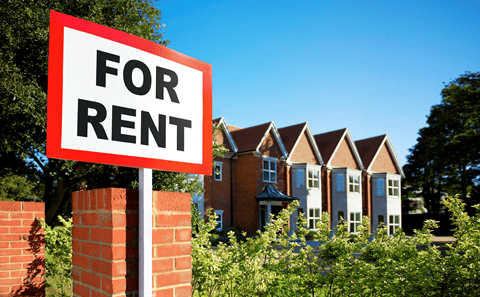
Property For Rent

Therefore, choose a rental property that is located in a secure and accessible neighborhood, close to all the necessary amenities that you need daily.

Cost and Budget

Another critical factor to consider when renting a property is your budget. Before renting a property, it's important to determine your budget and how much you can afford to pay for rent comfortably. Ensure that you calculate all the additional expenses such as electricity, water, and gas bills, maintenance fees, and any other levies that may apply.

Rent / Lease property

By analyzing your budget and determining your affordability, you can avoid any surprises or financial strain that may arise in the future. Moreover, choosing a rental property that aligns with your budget gives you peace of mind and allows you to enjoy your space without worrying about the expenses.

The Condition of the Property

It's vital to inspect the condition of the rental property before signing any lease agreements. The condition of the property will give you a clear picture of whether or not it’s right for you. Ensure that you inspect all the necessary areas such as bathrooms, kitchens, bedrooms, and common areas to ensure that everything is in good working condition.

Tips for Renting A Property

Moreover, it's essential to inquire about any repairs that need to be made or any damages that are present. If you find any issues, ensure that the landlord resolves them before moving in. However, if repairs take time, it is essential to draft an agreement that indicates the time it will take to fix the problems and who will be responsible for the repairs.

Negotiating Lease Terms

Before signing any lease agreements, it's important to negotiate the lease terms to suit your needs and preferences. Ensure that you read and understand every aspect of the lease agreement to avoid any surprises or misunderstandings in the future.

For Rent

Moreover, it's important to discuss lease agreement terms such as lease period, rent payment, security deposits, and any additional fees or charges that may apply. In some cases, landlords may be open to negotiation, especially if you have good credit, stable employment, or a good rental history.

Conclusion

In conclusion, renting a property can be an excellent choice for many, and with these tips, you're well on your way to finding a rental property that meets your needs and preferences. Remember to choose a location that aligns with your lifestyle, determine your budget carefully, inspect the condition of the property, and negotiate lease terms that suit your needs.


The Whole30 diet has been making waves in the health and wellness industry in recent years, with many people claiming that it has transformed their health and wellbeing. But what exactly is this diet, and how does it work? In this article, we will explore the ins and outs of the Whole30 diet and provide you with a comprehensive guide on everything you need to know about this popular eating plan.

What is the Whole30 diet?

The Whole30 diet is a form of the paleo diet that is designed to reset your body and eliminate cravings and unhealthy eating habits. The diet consists of eating only whole foods, such as meat, fish, fruits, vegetables, and healthy fats, for 30 days. The theory behind the diet is that by eliminating processed and refined foods, you can heal your gut, reduce inflammation, and improve your overall health.

A Simple Guide to the Whole30 Diet Wellness Becomes Her

How does the Whole30 diet work?

The Whole30 diet works by eliminating certain foods that are known to be inflammatory and can cause digestive issues, such as grains, dairy, legumes, and processed foods. These foods can irritate the gut, leading to inflammation, bloating, and other digestive issues. By eliminating these foods, your gut can heal, and you may experience less bloating, better digestion, and increased energy levels.

The Whole30 diet doesnt have to be complicated with this easytofollow

What can you eat on the Whole30 diet?

The Whole30 diet consists of eating only whole foods, such as meat, fish, fruits, vegetables, and healthy fats. Here is a list of foods that are allowed on the diet:

  • Meat and poultry
  • Fish and seafood
  • Eggs
  • Fruits and vegetables
  • Nuts and seeds
  • Healthy fats, such as avocado, coconut oil, and olive oil

You should also make sure to drink plenty of water and avoid sugary drinks and alcohol.

What foods should you avoid on the Whole30 diet?

On the Whole30 diet, you should avoid all processed and refined foods, as well as certain food groups that are known to be inflammatory and can cause digestive issues. Here is a list of foods that are not allowed on the diet:

  • Grains, including wheat, oats, and rice
  • Dairy, including milk, cheese, and yogurt
  • Legumes, including beans, lentils, and peanuts
  • Sugar, including artificial sweeteners and natural sweeteners like honey and maple syrup
  • Processed foods, including anything that comes in a package or has an ingredient list
  • Alcohol

It is important to read labels and check for hidden ingredients when shopping for food on the Whole30 diet.

What are the benefits of the Whole30 diet?

The Whole30 diet is claimed to have a number of potential benefits, including:

  • Reduced inflammation
  • Improved digestion
  • Increased energy levels
  • Reduced cravings for unhealthy foods
  • Weight loss

However, it is important to note that there is limited scientific research on the benefits of the Whole30 diet, and the diet may not be suitable for everyone.

Trying The Whole30 Diet And Other fads What Does A Doctor Think?

Are there any downsides to the Whole30 diet?

There are some potential downsides to the Whole30 diet, including:

  • Restrictive nature of the diet may be difficult to sustain long-term
  • Eliminating entire food groups may lead to nutrient deficiencies
  • The diet may not be suitable for everyone, such as athletes or people with certain medical conditions
  • The diet can be expensive and time-consuming to follow
  • The diet may lead to over-restriction and disordered eating habits for some people

It is important to consult with a healthcare professional before starting any new diet, especially if you have any underlying health conditions.

How to get started on the Whole30 diet?

If you are interested in trying the Whole30 diet, there are a few things you can do to get started:

  • Read the Whole30 book or visit the official Whole30 website for detailed information on the diet
  • Clean out your pantry and refrigerator of any non-compliant foods
  • Plan out your meals and snacks for the week ahead
  • Shop for Whole30-approved foods and ingredients
  • Start the program and commit to the 30-day plan

Remember to listen to your body and make adjustments as needed. The Whole30 diet can be challenging, but with commitment and planning, it can be a great way to reset your body and improve your health.

The Skinny on the Whole30 Diet Jessica Gavin

Conclusion

The Whole30 diet is a popular eating plan that is designed to reset your body and improve your health through the elimination of processed and refined foods. While the diet has potential benefits, there are also some potential downsides to consider. If you are interested in trying the Whole30 diet, make sure to consult with a healthcare professional and do your research to ensure that the diet is right for you.


Do you suffer from high blood pressure? Lowering your blood pressure can seem like a daunting task, but with the right home remedies and lifestyle changes, it is possible. In this article, we'll discuss a variety of little-known steps that can help you lower your blood pressure naturally.

Step 1: Get Moving!

How To Lower Blood Pressure Fast Home Remedies

One of the best things you can do for your overall health and blood pressure is to get moving. Exercise can help to lower blood pressure by helping you to lose weight, which can improve the flexibility of your blood vessels. Additionally, exercise strengthens your heart, making it more efficient at pumping blood and reducing stress levels.

Step 2: Reduce Your Sodium Intake

How Can You Take Control Of Your High Blood Pressure?

Most people are unaware of how much sodium they are consuming on a daily basis. Reducing your sodium intake can help lower your blood pressure. Foods high in sodium include processed foods, canned foods, and most fast food. Aim to eat fresh, whole foods rich in potassium, such as fruits, vegetables, and whole grains.

Step 3: Increase Your Potassium Intake

Seven Little-Known Steps for Lowering Your Blood Pressure Naturally

Potassium is an important mineral that helps to regulate blood pressure. Foods rich in potassium include bananas, potatoes, sweet potatoes, avocados, and spinach. Aim to eat at least 2-3 servings of these foods each day to help keep your blood pressure under control.

Step 4: Manage Stress Levels

7 Major Tips for Lowering Your Blood Pressure

Stress is a major contributor to high blood pressure. Stressful situations trigger the release of cortisol, a hormone that raises blood pressure. To manage your stress levels, consider practicing relaxation techniques such as deep breathing, meditation, or yoga. Take time out of your day to relax and do something you enjoy.

Step 5: Keep a Healthy Weight

The Importance Of Maintaining A Healthy Weight

Maintaining a healthy weight is critical to managing your blood pressure. Excess body fat can put extra pressure on your blood vessels and lead to high blood pressure. Aim to maintain a healthy weight by eating a balanced diet and getting regular exercise.

Step 6: Quit Smoking

The Effects of Smoking on Blood Pressure

Smoking cigarettes can lead to high blood pressure and other serious health problems. Nicotine raises blood pressure and damages the lining of your blood vessels, making it harder for blood to flow freely. Consider quitting smoking to improve your overall health and lower your blood pressure.

Step 7: Monitor Your Blood Pressure

Monitoring Your Blood Pressure

It's important to monitor your blood pressure regularly. High blood pressure often has no symptoms and can go undetected for years. Purchase a home blood pressure monitor and check your blood pressure regularly. If your blood pressure is consistently high, consider talking to your doctor about treatment options.

By following these little-known steps, you can lower your blood pressure naturally and improve your overall health. Incorporating these home remedies and lifestyle changes into your daily routine can help you to feel your best and lead a healthier life.


Are you considering starting a keto diet, but don't know where to begin with your grocery shopping? Look no further! We have compiled a comprehensive shopping list for you to get started on your keto journey. This list includes a variety of low-carb, high-fat foods to keep your body in a state of ketosis and help achieve your weight loss goals.

High-Fat Meats and Proteins:

Keto diet shopping list for beginners

When it comes to protein on the keto diet, it's all about the high-fat options. Opt for fattier cuts of beef, pork, and lamb, as well as dark meat chicken and turkey. You can also indulge in bacon and sausage (just make sure they don't have added sugars). Fatty fish like salmon and tuna are also great options, providing healthy Omega-3 fatty acids.

Low-Carb Vegetables:

Best keto diet tips for beginners

Not all vegetables are created equal on the keto diet. Focus on leafy greens like spinach, kale, and lettuce, as well as cruciferous vegetables like broccoli, cauliflower, and cabbage. Avocadoes are also a great source of healthy fats and a versatile addition to your meals.

High-Fat Dairy:

Keto foods list printable

Say goodbye to low-fat dairy on the keto diet. Choose full-fat options like cheese, heavy cream, and sour cream to add healthy fats to your meals. Greek yogurt and cottage cheese are also great options, just be sure to check the carb count and choose full-fat versions.

Healthy Fats:

Tips for sticking with keto or low carb eating plan

Embrace healthy fats on the keto diet! Nuts, seeds, and nut butters like almond and cashew butter are great sources of healthy fats. Olive oil, coconut oil, and avocado oil are also great options for cooking and dressing your meals. And don't forget about the almighty avocado - the ultimate keto superfood! By incorporating these foods into your keto shopping list, you can ensure that your diet is high in healthy fats and low in carbs. Remember to always check nutrition labels and portion sizes to stay on track with your weight loss goals. With a little bit of planning and preparation, you can easily follow the keto diet and achieve your desired results. Happy shopping!


Are you ready to become a savvy real estate investor? Whether you're a seasoned pro or just starting out, understanding the current hot spots in the market can help you make the most of your investments. Here are some tips for predicting the best places to buy, as well as some common problems that can arise in a hot real estate market.

Property Hot Spots: How To Predict The Best Places To Buy

Hot property

It's no secret that real estate markets are constantly in flux. What might be a bargain today could be a bust tomorrow. So how do you stay ahead of the game? Look to current trends and growth patterns in the areas that interest you.

One way to do this is to look at population and job growth. Areas with high rates of population growth and new job opportunities are likely to see increased demand for housing, leading to greater appreciation in property values. Additionally, look for areas with low inventory and high sales volumes, suggesting that properties are going quickly and prices are on the rise.

Another factor to consider is the local economy. Is the area home to thriving industries or is it reliant on a single employer? Areas with diverse economies are generally more stable and less likely to experience major disruptions in the market.

Where To Buy Property Now

Buy property

Ready to get started? According to experts, some of the hottest markets in the US right now include Austin, TX, Nashville, TN, and Salt Lake City, UT. These cities are seeing population growth, new job opportunities, and are home to thriving industries.

But don't discount smaller markets either! Cities like Spokane, WA and Boise, ID are also great options for investors looking to get in on the ground floor of a growing market.

Increase Your Knowledge Of The Real Estate Market With These Hot Tips

Real estate market

Now that you have a better understanding of how to spot hot spots in the market, it's time to take your knowledge to the next level. Here are some expert tips for staying ahead of the game:

  • Stay informed about the housing market by following local news sources, attending industry events, and reading market analyses from trusted experts.
  • Be strategic about your investments. Consider factors like the cost of renovations and potential appreciation when evaluating potential properties.
  • Think about the big picture. Buying in an up-and-coming area might mean sacrificing some short-term gains for long-term potential.

Appraisal Problems In A Hot Real Estate Market

Real estate appraisal

While a hot real estate market can offer great opportunities for investors, it can also come with its fair share of problems. One common issue is difficulty with appraisals. In a market where properties are selling quickly and prices are on the rise, it can be challenging to find comparable properties to use as a basis for appraisals.

This can be especially frustrating for sellers, who might feel that their property is worth more than the appraisals are showing. To combat this problem, it's important to work with experienced real estate professionals who can help you navigate the appraisal process and ensure that you're getting the most value for your investment.

In conclusion, by understanding how to spot hot spots in the real estate market, as well as common problems that can arise, you can become a savvy investor and make the most of your investments. So get out there and start exploring the next up-and-coming area!


Free How-To Tutorials

Search This Blog

Menu Halaman Statis